Sustainability in Water Equipment: Reducing Plastic Waste with Point-of-Use Systems

Table of Contents

Sustainability is no longer a peripheral consideration in water equipment procurement—it has become a central evaluation criterion. Organizations worldwide are recognizing that point-of-use (POU) water systems offer one of the most direct pathways to reducing plastic waste while simultaneously improving hydration quality and operational efficiency.

The Plastic Bottle Problem: Scale and Impact

The environmental footprint of bottled water consumption is staggering. Global plastic bottle production for beverages exceeds 500 billion units annually, with a significant portion allocated to drinking water. Despite recycling initiatives, the majority of these bottles end up in landfills, oceans, or incinerators—contributing to microplastic pollution and greenhouse gas emissions throughout their lifecycle from petroleum extraction to disposal.

Commercial environments are disproportionate contributors to this problem. A typical 200-employee office consuming bottled water generates approximately 1,200-1,500 single-use plastic bottles monthly. Multiplied across office buildings, hotels, and institutional facilities worldwide, the cumulative impact represents a substantial environmental burden that organizations can address through equipment substitution.

Point-of-Use Systems: The Sustainable Alternative

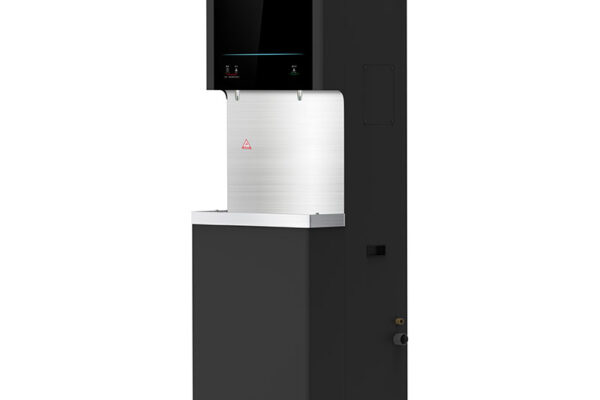
Bottle-less water dispensers connected to municipal supply with integrated filtration eliminate bottled water dependency entirely. The sustainability benefits extend across multiple dimensions:

  • Zero Plastic Waste: No bottles to manufacture, transport, store, or dispose of.
  • Reduced Transportation Emissions: Elimination of repeated delivery logistics for bottled water replenishment.
  • Lower Energy Footprint: Modern POU systems with energy-efficient cooling consume less power than the combined refrigeration, transportation, and bottling energy of delivered water.
  • Water Source Efficiency: Direct filtration minimizes the water waste associated with industrial bottling processes, which typically consume 3-4 liters of water per liter bottled.

Corporate Sustainability Reporting

For organizations with published Environmental, Social, and Governance (ESG) commitments, transitioning to POU water systems generates quantifiable impact metrics suitable for annual sustainability reports. A single office location switching from bottled to bottle-less systems can typically eliminate 10,000-15,000 plastic bottles annually—a metric that resonates with stakeholders, employees, and customers.

Many corporations pursuing carbon neutrality certifications or LEED building standards find that commercial POU water installations contribute meaningfully toward waste reduction and resource efficiency scorecard requirements.

Technology Enablers of Sustainable Design

Modern POU dispensers incorporate features specifically designed for sustainability optimization:

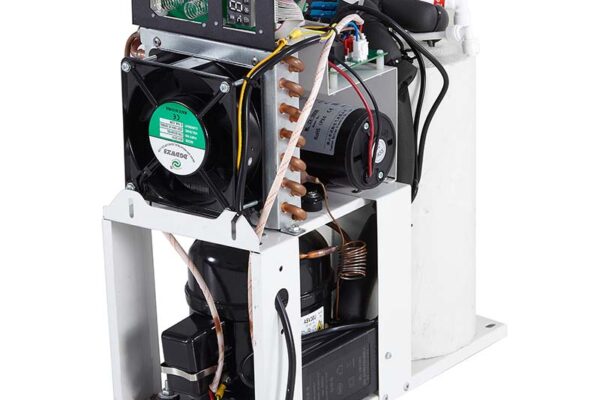
  • Variable-Speed Compressors: Adjust cooling power to actual demand rather than maintaining constant cycling, reducing energy consumption by 30-40% compared to conventional designs.
  • Sleep Mode Operation: Automated low-power standby during non-business hours without compromising water quality.
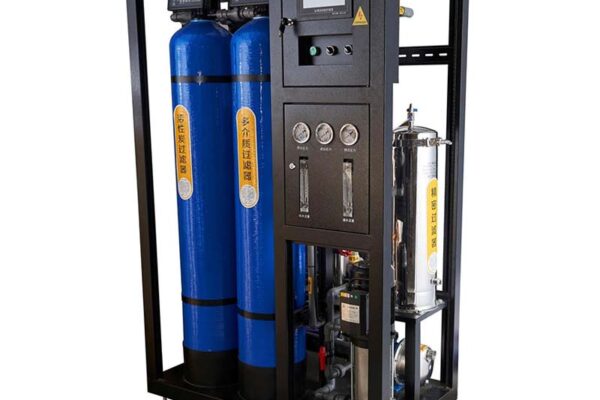
  • Long-Life Filter Systems: Extended filter replacement intervals reduce consumable waste and maintenance logistics.
  • Recyclable Component Design: Modular construction using recyclable materials facilitates end-of-life material recovery.

Implementation Roadmap for Organizations

Transitioning from bottled to sustainable POU systems requires structured planning:

  1. Audit Current Consumption: Quantify current bottled water volumes, costs, and plastic waste generation.
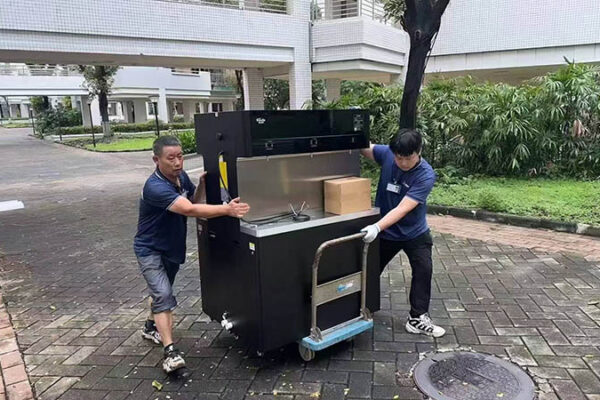
  2. Site Assessment: Evaluate plumbing infrastructure, electrical capacity, and installation logistics.
  3. Technology Selection: Match filtration technology to local water quality and organizational requirements.
  4. Pilot Deployment: Test systems in representative locations before portfolio-wide rollout.
  5. Measurement and Reporting: Establish baseline metrics and track improvements for sustainability reporting.

Manufacturers with comprehensive product portfolios spanning residential through commercial capacities can support organizations through this transition with consistent technology platforms, standardized maintenance protocols, and consolidated service relationships.