
Recent Posts


Related Posts
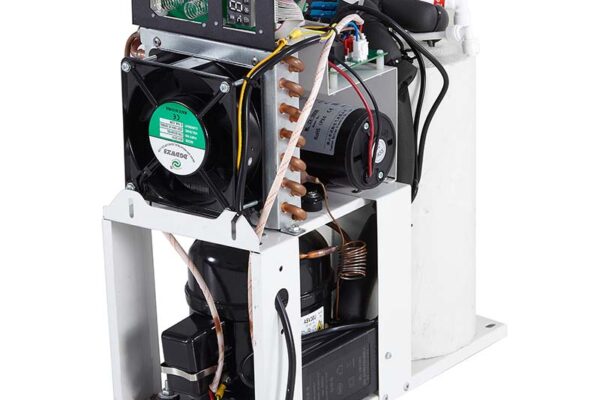
OEM/ODM Trends in Water Equipment Manufacturing: What Buyers Need to Know
The water equipment manufacturing industry operates on a foundation of OEM (Original Equipment Manufacturer) and ODM (Original Design Manufacturer) relationships. For buyers ranging from startup brand...
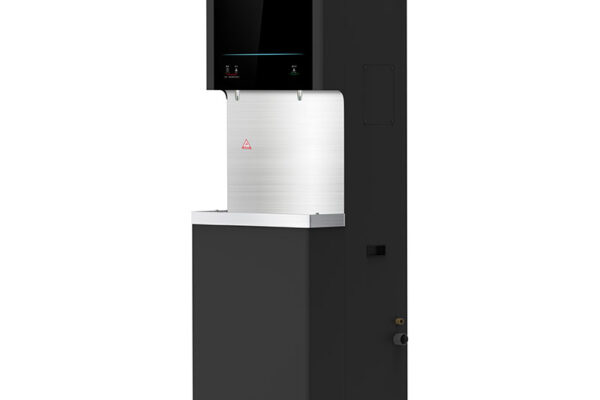
Commercial Office Water Solutions: Employee Wellness Driving Demand
Employee wellness has emerged as a strategic priority for organizations competing for talent in tight labor markets. Within this broader wellness framework, workplace hydration infrastructure has gain...
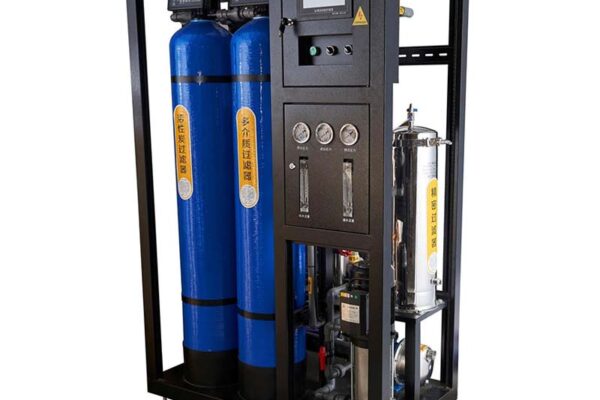
Sustainability in Water Equipment: Reducing Plastic Waste with Point-of-Use Systems
Sustainability is no longer a peripheral consideration in water equipment procurement—it has become a central evaluation criterion. Organizations worldwide are recognizing that point-of-use (POU) wate...
Hydrogen Water Generators: From Niche to Mainstream Wellness
What began as a niche wellness curiosity has evolved into a mainstream consumer product category. Hydrogen water generators—devices that infuse regular water with molecular hydrogen through electrolys...
Public Drinking Water Infrastructure: Municipal Investment Trends 2025
Municipal investment in public drinking water infrastructure is accelerating globally as aging systems require replacement, population growth strains existing capacity, and quality expectations rise. ...
Industrial Water Treatment Systems: Growing Demand in Manufacturing
Industrial water treatment represents one of the most critical infrastructure investments for manufacturing operations worldwide. As environmental regulations tighten and operational efficiency become...
UV-C LED Sterilization: The New Standard in Touchless Water Dispensers
Hygiene technology in water dispensers has advanced significantly beyond basic filtration. UV-C LED sterilization has emerged as the new gold standard for commercial applications where pathogen elimin...
Asia-Pacific Leads Water Dispenser Growth with 4.7% CAGR
The Asia-Pacific region has solidified its position as the global epicenter of water dispenser market growth. Accounting for the largest market share at 36.3% in 2023, the region is also projected to ...